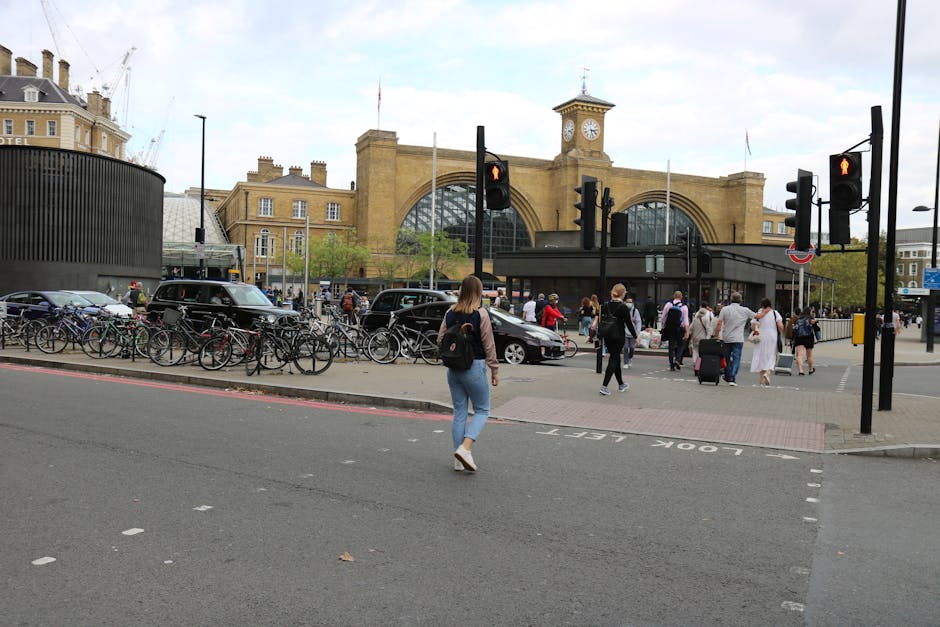
Emergency movers Kings Cross delays and last minute removals
If your moving day has gone sideways, you are not the only one. Keys are missing, the van is late, the lift has broken, or the landlord has suddenly changed the handover time. In Kings Cross, those problems feel even bigger because access is tight, traffic is unpredictable, and last-minute building rules can turn a simple move into a proper headache. This guide on Emergency movers Kings Cross delays and last minute removals explains what to do, how emergency moving services work, and how to make a rushed move feel a lot less chaotic.
You will find practical advice on timing, costs, planning, access issues, and the little details that matter most when time is against you. Truth be told, last-minute removals are rarely elegant. But they can still be handled well.
Why Emergency movers Kings Cross delays and last minute removals Matters
Delays are not just inconvenient. In a dense area like Kings Cross, they can trigger knock-on problems that affect your tenancy, your work schedule, your storage arrangements, and even whether you can legally or practically complete the move that day. A delayed removal slot may mean you lose access to a lift booking, miss a parking window, or arrive after concierge hours. Then the scramble begins.
This matters even more for flats, converted buildings, office spaces, and shared properties. In our experience, the pressure is rarely caused by one big issue. It is usually three small ones at once: a van running late, a packing delay, and a narrow access point that nobody fully accounted for. A bit annoying? Yes. A total disaster? Not if you handle it properly.
Kings Cross also has a very specific moving rhythm. You will often deal with busy roads, timed loading bays, tight stairwells, and neighbours who are not thrilled about noise at 7am. So when someone searches for emergency movers, they usually need more than a van. They need a calm plan, fast decisions, and someone who understands how London removals actually happen on the ground.
Key takeaway: emergency moving support is not only about speed. It is about reducing risk, recovering lost time, and protecting your belongings when the day is already under pressure.
That is why a good last-minute removals service should feel organised, not rushed. Fast, yes. Chaotic, no.
How Emergency movers Kings Cross delays and last minute removals Works
Emergency removals are usually arranged when a normal booking is no longer realistic. Maybe your original mover cancelled. Maybe you received a same-day completion. Maybe your landlord gave a short notice period to vacate. Whatever the reason, the process is designed to get a team, vehicle, and route in place quickly.
It generally starts with a quick assessment. You explain what needs moving, where you are, where you are going, how much time you have, and whether there are any access problems. A sensible mover will then ask about stairs, lifts, parking, loading restrictions, large furniture, and fragile items. That first conversation matters more than people think. The more accurate the details, the fewer surprises later.
For a Kings Cross move, the mover may also need to think about traffic timing, vehicle size, and whether the building has any loading requirements. A small van might be easier to park, but not always efficient for volume. A larger vehicle may save time if it can actually access the street or loading area. That trade-off is one of the main decisions in a last-minute move.
In practical terms, the service can include:
- rapid dispatch of a moving team
- a van or truck sized to the job
- loading and unloading support
- careful handling of furniture and boxes
- help with awkward access, stairs, or multiple trips
- optional packing support if time is tight
Sometimes the job is simple enough for a man and van setup. Sometimes it needs a more complete removal team. If you are moving a flat, office, or a mix of large furniture and fragile items, a more structured service may save time in the end. Funny how the "quickest" option is not always the one that feels quickest on paper.
A good emergency move also includes clear communication. You should know arrival windows, contact details, payment expectations, and what happens if traffic or building access causes a delay. That part sounds basic, but it is often the difference between a controlled recovery and a messy afternoon.
Key Benefits and Practical Advantages
Emergency moving support is not just a rescue service. Done properly, it gives you breathing room at a point when you may have very little of it.
- Speed of response: You can secure a vehicle and crew much faster than arranging a standard move from scratch.
- Reduced stress: When the day is already unfolding badly, having a plan helps you think clearly.
- Better damage control: A trained removals team can handle items more safely than a panicked last-minute lift-and-carry effort.
- Access problem solving: Kings Cross properties often have awkward entrances, timed loading, or stair-only access.
- Flexible scope: You can often tailor the job to the exact amount of help you need.
There is also a less obvious benefit: continuity. If a job is organised quickly but properly, you are less likely to lose time chasing separate people for packing, transport, and unloading. One call can reset the whole day. That counts for a lot when you are stood in a hallway with a half-packed wardrobe and an increasingly annoying clock.
For some customers, the biggest benefit is simply avoiding an expensive chain reaction. Delayed key handover, temporary storage, extra taxi journeys, time off work, or extra building charges can all add up. A fast, well-executed move can reduce those secondary costs even if the urgent booking itself is slightly more expensive than a planned one.
Who This Is For and When It Makes Sense
Emergency movers are not just for people in crisis, although that is often how they arrive. They make sense for anyone facing a compressed timetable or a moving plan that has become unstable.
You may need this service if:
- your original mover has cancelled or delayed
- your completion or tenancy handover has changed at short notice
- you need same-day removal support after a building access issue
- you have a small flat move and only a narrow time window
- you need office items moved quickly before a lease deadline
- you cannot physically move larger furniture without help
It also makes sense if you are in a part of Kings Cross with tricky access, such as a top-floor flat, a basement storage space, or a property near a busy road where loading has to be timed carefully. Those situations can look manageable until the van arrives and you realise the lift is out of service. Then what? Exactly.
There are also softer cases where emergency removals help. Maybe you are not in a full-blown emergency, but you are tired, behind schedule, and the day is becoming messy. A skilled mover can bring enough structure to stop the situation drifting into a much bigger problem. That is often worth paying for.
Step-by-Step Guidance
If you need to organise a last-minute move in Kings Cross, keep the process simple. Overthinking is your enemy here. A neat, practical sequence works better than trying to solve everything at once.
- Confirm exactly what needs moving. Make a quick list of furniture, boxes, appliances, and fragile items. Rough estimates are fine at first, but do not guess wildly.
- Check access at both addresses. Note stairs, lifts, parking restrictions, and any loading bay rules. If you already know there is no lift, say so. Really say so.
- Choose the right level of help. A smaller job may suit a simple removals van. Bigger jobs often need a fuller team or a more structured house move service such as house removals.
- Ask about timing and arrival windows. Emergency services are about speed, but realistic timing matters too. A reliable mover should be clear about when they can actually reach you.
- Pack the essentials first. Put documents, chargers, keys, medication, and toiletries somewhere easy to reach.
- Protect the fragile and valuable items. Wrap mirrors, glass, electronics, and anything awkward before the van gets there if possible.
- Prepare payment and contact details. If the team needs to call when they are close, make that easy.
- Stay reachable. Things change fast during a delayed move, and you do not want to be the one person nobody can find.
For bigger or more complex jobs, it can help to line up related support. For instance, if packing is still unfinished, a service like packing and unpacking services may save the day. If you need broader help moving from one home to another, home moves is a useful reference point for what a fuller process looks like.
One small but important thing: take photos of the property condition and any existing damage before items are moved. It is a simple habit, but in a hurried situation it can prevent awkward disputes later.
Expert Tips for Better Results
Here is where a little experience goes a long way. Emergency moves are not won by speed alone. They are won by decisions made quickly but sensibly.
- Be precise about volume. "A one-bed flat" tells a mover less than "one sofa, one bed frame, eight boxes, a desk, and three bags."
- Prioritise route efficiency. In Kings Cross, a shorter driving distance does not always mean a faster move. Traffic and loading access can matter more than postcode logic.
- Keep a separate essentials bag. Do not let your toothbrush disappear into the back of a van. It happens. More often than people admit.
- Mark fragile boxes clearly. A handwritten label still works very well, even if it looks a bit old-school.
- Use the right service size. A small job may only need a moving van, while heavier loads may need a moving truck.
- Leave a buffer for access issues. A five-minute delay becomes twenty minutes surprisingly quickly when a lift is stuck or a parking bay is blocked.
A sensible mover will also be honest if the job is better split into two loads or handled with a different vehicle. That is not a sales trick. It is usually just practical. If someone promises everything in a ridiculous time frame without asking questions, be cautious.
And yes, sometimes the best tip is the boring one: keep calm, keep communicating, and do not let the pressure force sloppy packing. You will thank yourself later when the plates are still plates and not an interesting jigsaw.
Common Mistakes to Avoid
Last-minute removals often go wrong for the same few reasons. The good news is that they are avoidable.
- Underestimating the job size. People often forget storage cupboards, balcony items, and the "small" furniture that is not actually small.
- Ignoring building access rules. If there is a concierge, timed entry, or restricted loading, deal with that early.
- Leaving packing too late. An emergency mover can move boxes. They cannot magically create organised boxes from thin air.
- Not checking insurance and safety cover. Reputable firms should be able to explain how they handle care, loading, and transport. You do not need a legal lecture, but you do need clarity.
- Booking only on price. Cheap looks appealing when you are stressed. But if the van is the wrong size or the arrival time slips, the "deal" gets expensive quickly.
- Forgetting parking. In Kings Cross, parking can be the hidden problem that wrecks the schedule.
Another common mistake is assuming a standard removals team can instantly solve every access issue. Sometimes they can. Sometimes the building, street layout, or timing makes the move more delicate than expected. That is why a proper pre-move discussion matters so much.
If your move involves council rules, loading space, or bulky waste left behind, it can also help to understand local access and disposal issues first. A useful background read is loading bay permits for removals in Kings Cross explained, especially if you are trying to keep the day legal and efficient.
Tools, Resources and Recommendations
You do not need a giant toolkit to handle a last-minute move, but a few simple things make a noticeable difference.
- Labels and marker pens: Use them for room names, fragile items, and "open first" boxes.
- Strong tape: Weak tape is one of those small things that becomes a massive annoyance at 9pm.
- Moving blankets or wraps: Useful for furniture edges, mirrors, and surfaces that mark easily.
- Boxes in mixed sizes: Small boxes for heavy items, larger ones for lighter soft goods.
- Charging cable and phone power bank: You will likely be on calls a lot during an emergency move.
- A simple room-by-room note: Even one handwritten list helps you keep track of where things go.
If you want a fuller understanding of how to prepare under pressure, the guide on getting an accurate Kings Cross removals quote fast is especially useful. It helps you think through the information movers actually need, which is half the battle in a short-notice booking.
For people moving office items, office removals and office relocation services are relevant if the move is business-related and time-sensitive. Office jobs often look straightforward until you start dealing with desks, IT equipment, and access windows. Then they are less straightforward. By quite a bit.
Law, Compliance, Standards, or Best Practice
Emergency removals still need to follow sensible standards, even when the timetable is tight. In the UK, that usually means paying attention to health and safety, safe lifting, vehicle loading, and property access rules. A good mover should treat these as part of the job, not as optional extras.
Best practice typically includes:
- clear communication before arrival
- reasonable care when lifting and carrying
- attention to stairways, lifts, and tight corners
- respect for building rules and shared spaces
- reasonable handling of fragile or valuable belongings
- clear payment and service terms
If you are using a removals company in a rush, it is sensible to check their policies on health and safety, insurance and safety, and terms and conditions. That is not being fussy. It is being sensible, especially when time pressure can make assumptions creep in.
It is also worth noting that building access, parking permissions, and local restrictions can vary by site and day. If you are moving in central London, the practical rules on the street often matter just as much as the move itself. When in doubt, ask early. It is much easier to clarify the rules before the van arrives than while everyone is standing on the pavement looking mildly defeated.
Options, Methods, or Comparison Table
Different emergency moving situations call for different approaches. Here is a simple comparison to help you decide what makes sense.
| Option | Best for | Strengths | Limitations |
|---|---|---|---|
| Man and van | Small flats, a few large items, quick same-day moves | Flexible, usually fast to arrange, good for short-notice jobs | May not suit large loads or complex access |
| Full removals team | Whole-home moves, heavier furniture, busy schedules | More hands, better for speed and handling | Can cost more and may need more planning |
| Partial help | When you have packed most things already | Cost-effective and practical | Less support if the job expands |
| Storage-first approach | When move-in and move-out times do not line up | Buys time and reduces pressure | Adds another step and may increase overall cost |
For many local customers, the decision is really between speed and support. A man with van removal setup can work well for compact moves, while a more complete crew may suit bigger or more awkward jobs. If you are unsure, a short phone call with a proper item list will often make the right answer obvious.
One useful rule of thumb: if you are worried about stairs, parking, or time pressure, lean toward the more capable option rather than the cheapest one. It tends to be the safer bet.
Case Study or Real-World Example
Picture a common Kings Cross scenario. A tenant is due to hand back keys by early evening, but the original mover is delayed elsewhere in London. The property is on an upper floor, the lift is shared, and the street access is tight because of nearby works. Not ideal. Not even close.
The first useful move is not to panic. It is to take stock.
The tenant quickly confirms what needs moving: a bed frame, mattress, sofa, desk, boxes, and two fragile mirrors. They notify the building contact, check whether the loading bay can still be used, and book emergency support with a service that can handle a short-notice urban move. The mover asks for item count, access details, and the exact postcodes. That information helps them choose the right van size and arrival route.
On the day, the team arrives, protects the floor, handles the awkward sofa bend in the stairwell, and gets the load out in two efficient trips. There is no drama, which is exactly what everyone wants. The handover happens on time, and the tenant avoids a much more expensive delay.
Now, was that move glamorous? Absolutely not. But it was orderly, which is what matters. And frankly, a moving day that ends with no missing screws and no arguments with the concierge is a small miracle.
If the same move had involved more items or a bigger property, the process would have benefitted from a broader removals setup, perhaps supported by removal services and a more structured packing plan. The lesson is simple: the right service should match the actual pressure of the day, not the hoped-for version of it.
Practical Checklist
Use this checklist if your move has become urgent. Keep it close. Print it, screenshot it, scribble on it. Whatever works.
- Confirm move date, time, and deadline
- List every item that must go
- Check stairs, lifts, and access restrictions
- Confirm parking or loading arrangements
- Separate essentials, valuables, and documents
- Pack fragile items carefully
- Tell the mover about heavy or awkward furniture
- Ask about arrival time and likely duration
- Check safety, insurance, and payment terms
- Keep your phone charged and nearby
- Have keys, fobs, and building instructions ready
- Take photos of the property before and after
Extra tip: if your move is part of a larger clear-out, consider whether anything should be removed separately before the main removal day. Sometimes a targeted furniture pick-up is cleaner than trying to force everything into one rushed job.
Conclusion
Emergency movers in Kings Cross are there for the moments when the schedule slips, access gets awkward, or a last-minute removal suddenly becomes the only realistic option. The key is to respond quickly without cutting corners. Know what needs moving, explain the access clearly, and choose the level of help that fits the reality of your day.
When delays happen, the best outcome is rarely perfection. It is control. A good emergency removals plan can turn a stressful morning into a manageable move, and that alone is a big win. You do not need to solve everything at once. Just the next step. Then the one after that.
If you are comparing options, checking service details, or trying to line up a fast move without making a costly mistake, the safest approach is to keep the brief clear and the expectations realistic. That is usually what saves the day.
Get a free quote today and see how much you can save.
Frequently Asked Questions
What counts as an emergency removal in Kings Cross?
An emergency removal usually means you need moving help much sooner than a standard booking would allow. That could be a same-day move, a cancellation, a sudden tenancy deadline, or a last-minute completion. In practice, it is any move where time, access, or both have become urgent.
Can a mover arrive on the same day?
Sometimes, yes. It depends on the time of day, how busy the schedule already is, and how far the team has to travel. The more accurate your information is, the better the chance of securing a workable same-day slot.
How do delays affect a last-minute move?
Delays can affect access, parking, lift bookings, handover times, and even whether you can unload at your new property. In Kings Cross, a small delay can snowball quickly if a loading window is missed or a building has strict entry times.
Is a man and van enough for a rushed move?
It can be, especially for smaller homes, fewer items, or single-room moves. If you have bulky furniture, a lot of boxes, or awkward access, a larger removals setup may be more efficient and less stressful.
What details should I have ready when I call?
Have your addresses, move timing, a rough item list, access details, parking notes, and any special items such as beds, sofas, mirrors, or appliances. Those basics help a mover quote and plan properly without wasting time.
Will emergency removals cost more?
They can cost more than a booked-ahead move because they require faster scheduling and less flexible planning. The exact cost depends on distance, volume, timing, and access difficulty. It is worth comparing the total cost of delay against the cost of moving now.
What if my building has no lift?
Say so early. Stairs change the timing, the vehicle choice, and sometimes the number of people needed. If the mover knows in advance, they can plan properly and avoid surprises on the day.
Can I book help just for loading and unloading?
Yes, in many cases that is enough. Some people only need labour and transport, while others want full packing support too. The right balance depends on how much is already packed and how fast you need to move.
What should I do if I am behind on packing?
Focus on essentials first, then clearly label the rest. Avoid packing random items into random boxes. That is how stress turns into chaos later. If needed, ask about packing help rather than trying to do everything alone at the last minute.
Are there specific access issues in Kings Cross I should expect?
Yes, often. Tight streets, busy traffic, loading restrictions, building rules, and shared access points are all common. Kings Cross is busy, and that means a move needs a bit more planning than a simple suburban load-up.
How do I know if I need a full removals team instead of a smaller van?
If you have large furniture, multiple rooms of items, limited time, or difficult access, a full team is often the safer choice. A small van can be ideal for lighter loads, but it is not always the fastest option for a complicated move.
What is the best way to avoid problems on moving day?
Be clear, be early, and be realistic. Share access details, pack essentials separately, and confirm timings before the van arrives. Simple steps, really. But they make a big difference when the day is moving fast.