


York Way house removals parking and access advice Kings Cross
Posted on 06/05/2026

York Way House Removals Parking and Access Advice Kings Cross
If you are planning a move around York Way, the parking and access side of the job can make the whole day feel either calm or chaotic. That is true whether you are moving out of a compact flat near Kings Cross, carrying furniture down a narrow stairwell, or trying to get a van close enough to load without a long trudge back and forth. York Way house removals parking and access advice Kings Cross is really about one thing: reducing friction before it starts.
In our experience, the best moves rarely look dramatic. They look organised. A clear parking plan, a sensible loading route, and a quick check of building access details can save more time than people expect. It also lowers the risk of awkward delays, frustrated neighbours, damaged furniture, or a van idling half a street away while everyone wonders what to do next. Lets face it, nobody wants that on moving day.
This guide walks through the practical side of moving on or near York Way, including access checks, parking considerations, building constraints, and the sort of local detail that makes a move smoother. You will also find a checklist, a comparison table, and answers to the questions people usually ask before a Kings Cross move.
- Why it matters
- How it works
- Key benefits
- Who needs this
- Step-by-step guidance
- Expert tips
- Common mistakes
- Tools and resources
- Law, compliance and best practice
- Options and comparison
- Real-world example
- Practical checklist
- Frequently asked questions
Why York Way house removals parking and access advice Kings Cross Matters
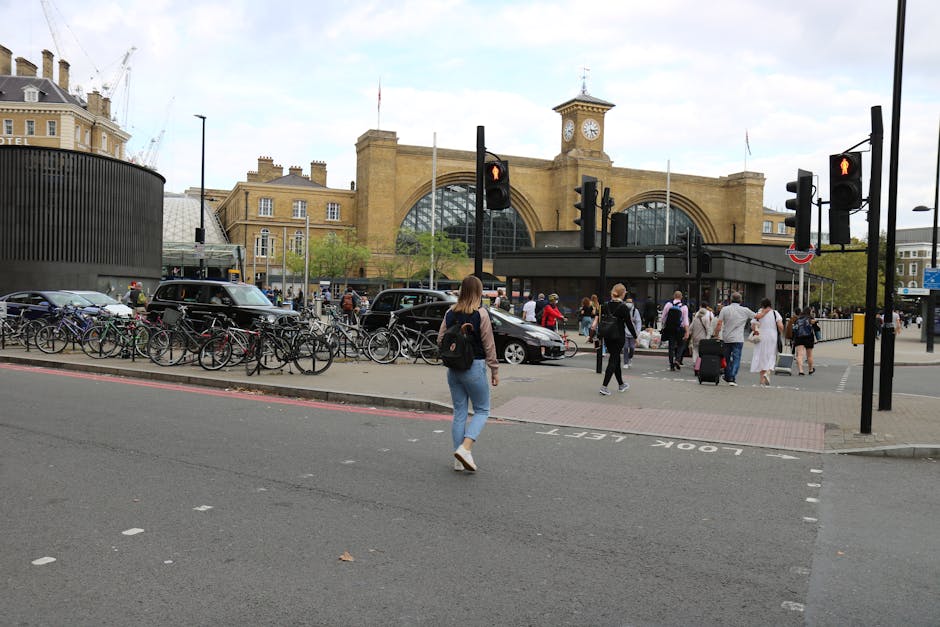
Parking and access are not small details in central London. They can shape the pace, cost, and stress level of the entire move. York Way has the kind of urban conditions that make planning worthwhile: busy roads, limited stopping space, frequent foot traffic, and buildings where lifts, entry codes, or narrow internal routes can slow everything down.
For house removals in Kings Cross, the issue is often not the distance between homes. It is the time lost getting from van to front door. A vehicle parked too far away adds extra carrying, more handling, and a higher chance of strain or damage. If you are moving bulky items like wardrobes, sofas, bed frames, or white goods, even a short extra walk can become a proper headache.
This is where local planning pays off. A move that seems simple on paper may need a parking bay, timing window, building access permission, or a route that avoids pinch points such as steps, tight hallways, or restricted entrances. If you are comparing moving options, it also helps to understand the wider service picture first through the services overview and the dedicated house removals Kings Cross page.
Expert summary: the closer the van can safely get to the load point, the smoother the move usually becomes. But "closest" is not always "best" if it blocks traffic, breaches building rules, or creates a safety issue.
Truth be told, this is one of those topics people only appreciate after a problem appears. A careful plan up front is simply cheaper, calmer, and kinder to your back.
How York Way house removals parking and access advice Kings Cross Works
The practical process is straightforward, but the details matter. Before moving day, you identify how the removal van will reach the property, where it can legally or safely stop, and how the team will carry items from the property to the vehicle. That means looking at the street, the time of day, and the building layout together, not separately.
For York Way and nearby streets, a useful access review usually covers:
- where the van can stop without causing an obstruction
- whether any parking suspension or loading restriction applies
- how far the carry distance is from entrance to van
- if there are lifts, stairs, service entrances, or concierge procedures
- whether the route includes tight corners, low ceilings, or narrow doorways
- what time of day is least disruptive for the move
It also helps to think in terms of loading efficiency. A move with good access might allow a van to be parked close to the door, with a short, direct route and clear standing space. A more difficult move might require smaller loads, extra protection for floors and walls, or a staggered carry plan. If the property is a flat rather than a house, the challenges can change again, which is why the flat removals Kings Cross page is a useful read for many local moves.
A good removal team will usually ask questions before arriving, not after. That can include lift dimensions, access codes, parking restrictions, and whether any large item needs special handling. If you are moving specialist pieces, such as a piano or heavy furniture, the routing and parking plan becomes even more important. For that, the guides on piano removals Kings Cross and furniture removals Kings Cross are especially relevant.
And yes, one tiny detail can matter a lot: a good loading bay or legal stopping spot can turn a 90-minute shuffle into a tidy, controlled move. That is not an exaggeration.
Key Benefits and Practical Advantages
Good parking and access planning does more than make the day feel organised. It affects the whole experience in practical ways. Here are the main advantages:
- Less carrying distance: shorter walks mean less fatigue and lower damage risk.
- Faster loading: the team can work in a rhythm instead of pausing for long carries.
- Safer handling: fewer awkward turns, fewer trips on steps, less chance of dropping items.
- Less disruption: neighbours, pedestrians, and building staff are less likely to be affected.
- Better scheduling: the crew can estimate timings more accurately.
- Lower stress: a move feels much more under control when the access plan is clear.
There is also a financial angle, though it is best treated carefully rather than promised too casually. If access is poor, a move may take longer, require more labour, or need additional vehicle shuttling. By contrast, sensible parking arrangements can help a small or medium move run more efficiently. If you are comparing quotes, the pricing and quotes page explains how to approach that conversation without guesswork.
Another benefit is damage prevention. A badly planned route through a building can lead to scuffed walls, marked bannisters, or strained lifting. A short route with clear corners and protective materials is simply easier to manage. To be fair, it is one of the easiest ways to protect both your belongings and the property you are leaving.
Who This Is For and When It Makes Sense
This kind of advice matters for almost anyone moving in Kings Cross, but it is especially useful if your home sits on or near a busy urban road and your moving window is tight. If you are on York Way itself, or nearby streets with limited parking, you should treat access planning as a core part of the move, not an optional extra.
It makes particular sense for:
- households moving from upper-floor flats or maisonettes
- people with large furniture or fragile items
- families moving with children and a lot of boxed items
- students relocating to or from compact accommodation
- anyone needing a same-day or time-sensitive move
- customers arranging a man and van or smaller vehicle service
If you are moving a lighter load, you may still need access planning, just in a simpler form. For example, a student move with a few bags and boxes may not need elaborate arrangements, but it still benefits from a sensible stop location and a quick route through the building. The student removals Kings Cross page is a helpful fit for that situation.
It also matters if the property has awkward access features such as controlled entry, shared courtyards, lift bookings, or a loading area that needs advance notice. In that case, the move may be perfectly doable, but only if the details are lined up early. One missed email to a building manager can easily cost you half an hour. Sometimes more.
Step-by-Step Guidance
Here is a practical way to organise York Way parking and access before removal day.
- Check the property access first. Note stairs, lifts, door widths, codes, and any restrictions on using certain entrances.
- Look at the street layout. Identify the closest safe stopping point for the van and whether there is room to open doors or unload without blocking flow.
- Ask about loading permissions. If the building or street needs a booking, permission, or a time window, deal with it early.
- Measure large items. Beds, wardrobes, sofas, and appliances should be measured against doorways and stair turns. This is where small surprises become big ones.
- Plan the route inside the building. Protect surfaces and choose the path with the fewest obstacles.
- Prepare the items in the right order. Put the first-load items near the exit and keep fragile goods well packed.
- Confirm timing with the removal team. Give them the access notes, parking info, and any building instructions before they arrive.
- Leave a little buffer. Even the best plans can be nudged by traffic, a lift delay, or a neighbour needing to pass through.
A good practical example: if a van can stop close to the front entrance, the team may be able to move boxed items more quickly and leave heavier items for a coordinated carry. If it has to park farther away, you might switch to smaller loads and extra protection. Same move, different rhythm.
For help with packing the load itself, see the advice on packing essentials for a smooth transition to a new home and packing and boxes Kings Cross. If you are trying to reduce volume before the move, the guide on premove decluttering techniques is worth a look too.
Expert Tips for Better Results
Small improvements in access planning often have outsized results. These are the details that experienced movers tend to care about first.
- Keep the entrance clear. Shoes, bikes, prams, and loose parcels have a habit of appearing right when the sofa needs to pass.
- Protect the route before moving starts. Floor coverings, corner protection, and door padding can prevent avoidable damage.
- Pack by carry logic, not just by room. Put heavier or awkward items in boxes that are manageable on stairs and through narrow spaces.
- Tell the team about any tricky item early. Piano, freezer, superking bed, large mirror - the earlier they know, the better the plan.
- Choose the quietest loading time where possible. Less foot traffic means fewer interruptions and less pressure.
- Have one person act as the access point contact. It avoids crossed messages and five different people giving directions at once.
One useful but overlooked tip is to walk the route yourself, ideally once with empty hands and once with a box. You will quickly notice where the handrails, turns, and thresholds might become awkward. It sounds basic because it is basic, but basic often saves the day.
If heavy lifting is part of the picture, it is worth reading the practical guidance on lifting heavy items safely and kinetic lifting and body control. Those articles pair well with access planning because good lifting technique and good route planning go hand in hand.
Common Mistakes to Avoid
Most access problems are avoidable. They usually happen because someone assumes the move is simple until the van arrives and the street says otherwise. A bit cheeky, but true.
- Not checking parking rules early: a last-minute scramble for a stopping spot can waste the best part of an hour.
- Forgetting about height and width restrictions: some vehicles and entryways simply do not mix well.
- Ignoring lift bookings or building procedures: that can stop the move before it even begins.
- Underestimating carry distance: what looks like "just round the corner" may be far more tiring with furniture.
- Packing too heavily: boxes that are fine in a hallway can become nasty on stairs.
- Not brief the movers: the crew should not be discovering access issues from scratch on arrival.
- Leaving everything for the morning of the move: that is usually when people realise the keys are in the wrong coat pocket too. Annoying, but common.
There is also the human side. If neighbours, concierge staff, or building managers are involved, a calm and polite heads-up often helps more than people expect. A ten-second friendly conversation can prevent a lot of tension later.
Tools, Resources and Recommendations
You do not need fancy equipment for a well-run move, but a few tools make the parking and access side much smoother.
- Measuring tape: use it for furniture, doors, stair widths, and lift dimensions.
- Notebook or phone notes: keep access codes, timings, and building instructions in one place.
- Protective materials: floor runners, blankets, and corner guards help in tight routes.
- Strong boxes and labels: these make loading and room placement faster.
- Hand trolley or furniture dolly: useful where the route allows it, especially for heavier items.
- Phone contact list: keep the building contact, mover contact, and your own key contact organised.
If you want to prepare the contents before move day, the articles on pre-move house cleaning, sofa storage tips, and moving beds and mattresses are practical companions to this guide.
If you are comparing service styles, the difference between a larger removal van, a man with a van, and a more flexible same-day arrangement can matter when access is tight. The relevant service pages include man with a van Kings Cross, man and van Kings Cross, and same day removals Kings Cross. For larger or more structured moves, a dedicated removal van Kings Cross solution may suit better.
Law, Compliance, Standards, or Best Practice
Parking and access advice for removals is not just about convenience. It sits close to everyday compliance and safety responsibilities. In central London, you should always treat parking restrictions, loading rules, and building procedures as real constraints, not optional background noise. Exact rules can change by location and time, so it is sensible to verify details directly rather than relying on assumptions or old habits.
Best practice normally includes:
- checking local parking restrictions and any loading-only allowances
- using legal stopping points and avoiding obstruction
- following building rules for lift use, access codes, and delivery times
- protecting property and common areas during the move
- using safe manual handling methods for heavy items
- making sure insurance and safety processes are understood in advance
This is also where sensible documentation helps. If a property manager needs notice, send it. If a particular entrance must be used, note it. If a fragile item needs special handling, say so clearly. The more specific the instructions, the less room there is for confusion. You can also review service standards and safety expectations through the health and safety policy and insurance and safety information.
For trust and process questions, some readers also like to look at the company background and operating approach via the about us page. And if you are still at the planning stage, the removals Kings Cross and removal services Kings Cross pages help set expectations around service scope.
Options, Methods, or Comparison Table
Different move types create different access and parking needs. The table below gives a simple way to compare common options.
| Move option | Best for | Parking and access note | Main advantage |
|---|---|---|---|
| House removal with full team | Larger family moves and multiple bulky items | Needs the most careful parking and route planning | Fastest and most coordinated for bigger loads |
| Man and van | Smaller homes, partial loads, flexible schedules | Often easier to position in tighter streets | More adaptable for short local moves |
| Removal van only | Pre-packed loads and straightforward access | Good when the route is simple and the load is organised | Efficient for well-prepared moves |
| Same-day removals | Urgent or time-sensitive moves | Needs extra clarity because time pressure leaves less margin | Speed and responsiveness |
If you are torn between options, think about three things: the size of the load, the difficulty of access, and the timing pressure. A smaller vehicle can help in constrained streets, but if the home has many trips or heavy items, a more structured service may still be better. That balance matters more than people think.
Case Study or Real-World Example
Picture a move from a third-floor flat near York Way into another Kings Cross property a few streets away. The destination has a lift, but the entrance requires a code, and the street has limited stopping space. Nothing dramatic. Just a normal London move with a few moving parts.
In this kind of situation, the team might start by confirming access codes the day before, checking whether the lift needs booking, and identifying the safest nearby place for the van to stop. Large items such as a bed frame or sofa are loaded first, while boxed items are stacked in a way that matches the carry route. If the parking spot is a short distance away, smaller runs are used to avoid blocking the pavement with too many items at once.
The move feels calmer because the friction was handled early. The customer is not repeatedly running downstairs to answer questions. The team is not improvising around a closed gate. The whole thing just... flows better. Not perfectly, because real life rarely does, but better.
That is the key lesson for York Way access planning: even a modest amount of preparation can remove the biggest sources of stress.
Practical Checklist
Use this simple checklist in the days before your move.
- Confirm the moving date, arrival window, and access contact.
- Check parking or loading restrictions for York Way and the immediate area.
- Speak to the building manager, concierge, or landlord if needed.
- Measure large furniture, appliances, doorways, and stair turns.
- Identify the nearest safe van stopping point.
- Keep codes, keys, and contact numbers in one place.
- Label boxes clearly by room and priority.
- Protect floors, corners, and door frames.
- Set aside fragile or high-value items for special handling.
- Prepare a backup plan in case access is tighter than expected.
If you are also sorting storage, the storage Kings Cross page may be useful if dates do not line up neatly. A short gap between homes is common, especially in busy parts of London.
Get a free quote today and see how much you can save.
Conclusion
York Way house removals parking and access advice Kings Cross is ultimately about making a city move feel manageable. The road outside your home, the route through the building, and the way the van is positioned all shape the day more than people expect. When those details are planned properly, the move feels quicker, safer, and far less frantic.
Start with the access route, check the parking realities, and keep the communication clear. Simple, yes. But simple is exactly what you want on moving day.
And if you can do one thing well before the boxes start flying, make it this: remove uncertainty from the front end. The rest tends to follow.